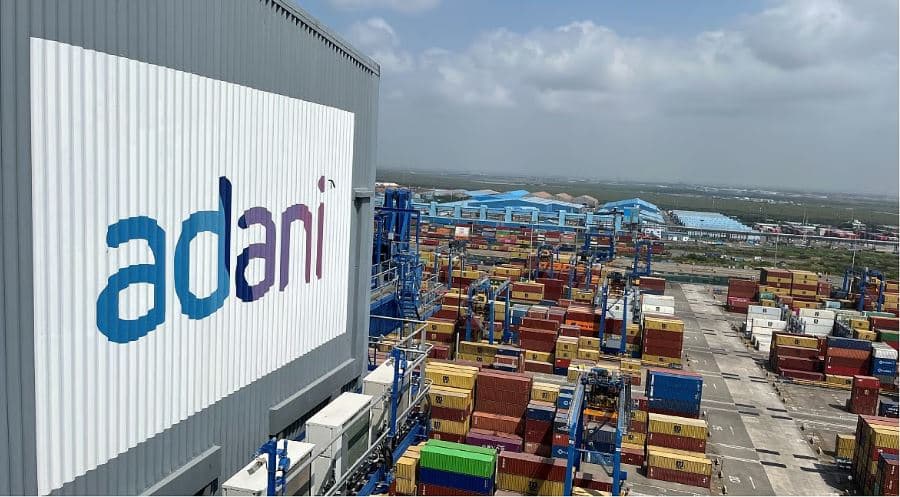
Adani Ports and Special Economic Zone Limited (APSEZ) has acquired a fertiliser and cement terminal facility in Kanpur as part of its strategy to strengthen inland logistics infrastructure and expand its integrated cargo handling network across northern India.
The acquisition is expected to enhance APSEZ’s presence in the fertiliser, agri-logistics, and bulk cargo segments while improving multimodal connectivity between ports, railways, inland depots, and industrial consumption centres in Uttar Pradesh and adjoining states.
According to reports, the Kanpur-based terminal handles fertilisers, cement, and other bulk commodities and is strategically located near major industrial and agricultural markets in northern India. The facility is expected to support cargo distribution from western ports to inland consumption hubs through integrated rail and road logistics networks.
Industry observers noted that the acquisition aligns with APSEZ’s long-term strategy of developing an end-to-end logistics ecosystem extending beyond port operations into warehousing, inland terminals, rail logistics, multimodal transport, and industrial supply chains. The company has increasingly focused on building integrated cargo corridors connecting ports with manufacturing and consumption centres across India.
The fertiliser logistics segment is considered strategically important because India remains one of the world’s largest fertiliser consumers, with substantial cargo movement linked to agricultural demand, seasonal distribution cycles, and import-dependent raw materials. Efficient inland handling infrastructure plays a critical role in reducing turnaround time and improving supply chain reliability.
Kanpur’s location also provides access to major freight corridors and industrial clusters across Uttar Pradesh, Bihar, Madhya Pradesh, and parts of northern India. Analysts believe the acquisition could help APSEZ strengthen cargo penetration in the hinterland while improving logistics integration with rail-linked port operations.
The move comes amid rapid expansion of India’s multimodal logistics infrastructure under initiatives such as PM Gati Shakti, Dedicated Freight Corridors (DFCs), Bharatmala, and industrial corridor development programmes. Private infrastructure companies are increasingly investing in inland cargo terminals, rail-linked depots, and warehousing hubs to capture growing domestic freight demand.
Adani Ports has significantly expanded its logistics and transport footprint over the past few years through acquisitions and investments across ports, inland logistics parks, rail operations, container handling, warehousing, and supply chain services. The company currently operates one of India’s largest private port and logistics networks spanning both coastal and inland cargo infrastructure.
Industry experts believe the Kanpur acquisition reflects the growing importance of integrated hinterland logistics in India’s evolving freight ecosystem. As cargo volumes rise alongside industrial growth and infrastructure expansion, companies with strong multimodal connectivity and inland distribution capabilities are expected to gain significant competitive advantages in the logistics sector.