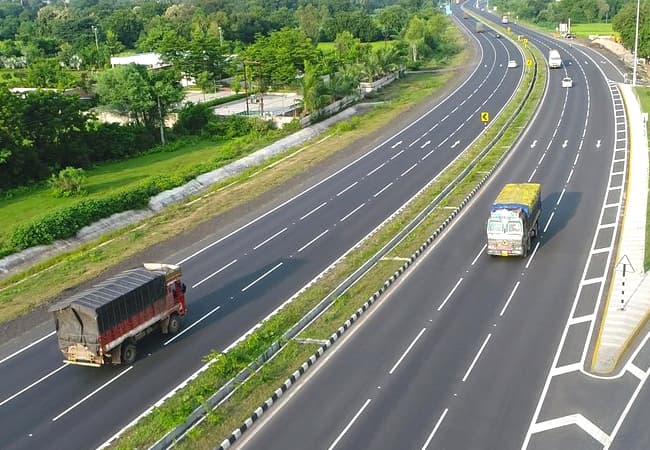
The Gujarat government has approved an investment of approximately ₹1,147 crore for the development of 20 climate-resilient road projects incorporating green construction technologies, marking a significant step toward sustainable and future-ready transport infrastructure.
The initiative is aimed at improving road durability, reducing environmental impact, and strengthening infrastructure resilience against extreme weather conditions such as heavy rainfall, flooding, rising temperatures, and climate-related deterioration.
According to officials, the proposed road projects will utilise advanced green engineering techniques and environmentally sustainable construction materials to improve long-term performance while lowering carbon emissions and maintenance requirements. The projects are expected to be implemented across multiple regions in Gujarat under the state’s infrastructure modernisation programme.
The climate-resilient roads are likely to incorporate technologies such as recycled construction materials, waste-based pavement solutions, improved drainage systems, energy-efficient construction processes, and enhanced pavement engineering designed to withstand changing climatic conditions. Sustainable road-building practices are increasingly becoming a major focus in infrastructure development worldwide.
Officials indicated that the initiative aligns with Gujarat’s broader push toward green infrastructure, sustainable urbanisation, and environmentally responsible development. The state has been actively promoting renewable energy, industrial sustainability, smart infrastructure systems, and climate-adaptive public works projects.
India’s infrastructure sector has increasingly prioritised climate resilience due to growing concerns over the impact of extreme weather events on roads, bridges, highways, and urban infrastructure. Flooding, heat stress, soil erosion, and changing rainfall patterns have significantly increased infrastructure maintenance and repair challenges across several states.
The Ministry of Road Transport and Highways has also been encouraging the use of green construction materials such as recycled plastic waste, fly ash, construction and demolition waste, geosynthetics, and industrial by-products in road projects to improve sustainability and resource efficiency.
Gujarat remains one of India’s most infrastructure-intensive states with major investments underway across highways, industrial corridors, ports, logistics parks, smart cities, renewable energy zones, and urban mobility projects. The state’s strategic focus on resilient infrastructure is viewed as critical for supporting long-term industrial and economic growth.
Experts noted that climate-resilient roads offer long-term economic advantages through lower maintenance costs, improved service life, and reduced disruptions during adverse weather conditions. Advanced road engineering can also improve transportation reliability for freight movement, emergency services, and regional connectivity.
The approved projects are expected to support Gujarat’s broader infrastructure sustainability goals while setting a benchmark for future climate-adaptive road development initiatives across India. Authorities are likely to begin phased implementation following technical approvals, tendering processes, and project mobilisation activities.