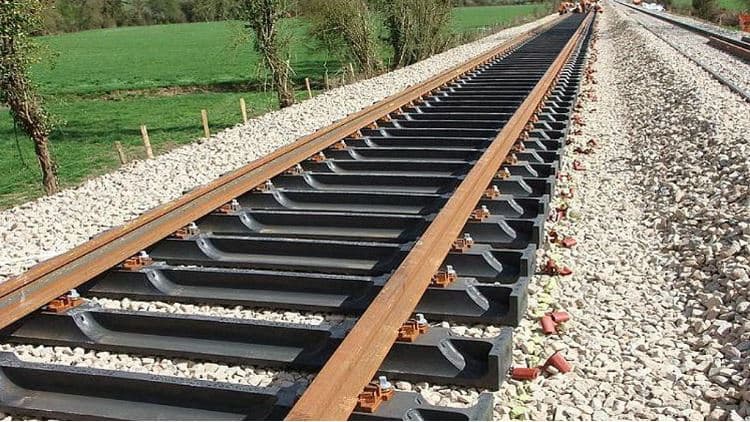
In a significant move toward modernization, Indian Railways is planning to replace conventional iron and concrete sleepers with advanced composite sleepers, alongside introducing AI-driven track surveillance systems to enhance safety, efficiency, and passenger comfort.
The transition to composite sleepers marks a major technological upgrade in track infrastructure. Unlike traditional materials, these sleepers are lighter, more durable, and capable of handling higher loads, while also offering better cushioning. This improvement is expected to reduce vibrations and jerks, leading to a smoother travel experience for passengers. Additionally, composite sleepers can be custom-designed for specific locations, such as bridges, turnouts, and crossings, making them more adaptable to varied track conditions.
Another key advantage is their longer lifespan and lower maintenance requirements, which will help reduce lifecycle costs for railway infrastructure. Their ease of installation and repair is also expected to improve operational efficiency, particularly in high-stress track sections.
Parallel to this material upgrade, Indian Railways is accelerating the adoption of artificial intelligence for real-time track monitoring and predictive maintenance. AI-powered systems, integrated with sensors and inspection devices, will continuously monitor track conditions, detect faults, and identify potential risks before they escalate into major issues.
Advanced technologies such as ground-penetrating radar and intelligent inspection tools will be deployed to assess the health of track foundations, while AI analytics will enable early fault detection, reducing the likelihood of accidents and service disruptions.
The initiative also includes improved welding inspection techniques like magnetic particle testing, which can identify microscopic defects in rail joints, further strengthening track reliability and safety.
Overall, this dual approach of material innovation and digital intelligence reflects Indian Railways’ broader strategy to build a safer, smarter, and more resilient railway network, aligning with its long-term vision of modern infrastructure and enhanced passenger experience.