The North Central Railway (NCR) has initiated a series of major railway infrastructure projects in Prayagraj as part of preparations for the 2031 Kumbh Mela, with plans focused on expanding passenger handling capacity, modernising railway facilities, and improving operational efficiency across one of India’s busiest pilgrimage and transport hubs.
Among the key projects approved are the redevelopment of Subedarganj Railway Station and the construction of a modern holiday home facility for railway employees at Gaughat. Authorities said the projects are aimed at strengthening railway infrastructure ahead of the massive surge in passenger traffic expected during the Kumbh congregation in 2031.
The redevelopment of Subedarganj station is expected to significantly enhance passenger amenities and operational capabilities. Officials indicated that the station will be upgraded with improved circulation areas, passenger facilities, modern waiting infrastructure, enhanced accessibility systems, and better traffic management arrangements to handle large-scale crowd movement during peak pilgrimage periods.
Railway authorities are also accelerating broader infrastructure expansion works in and around Prayagraj, which remains one of the most critical railway junction zones during the Kumbh Mela due to the exceptionally high volume of pilgrims arriving from across the country. The NCR has identified multiple operational improvement projects linked to station redevelopment, line capacity enhancement, and traffic decongestion.
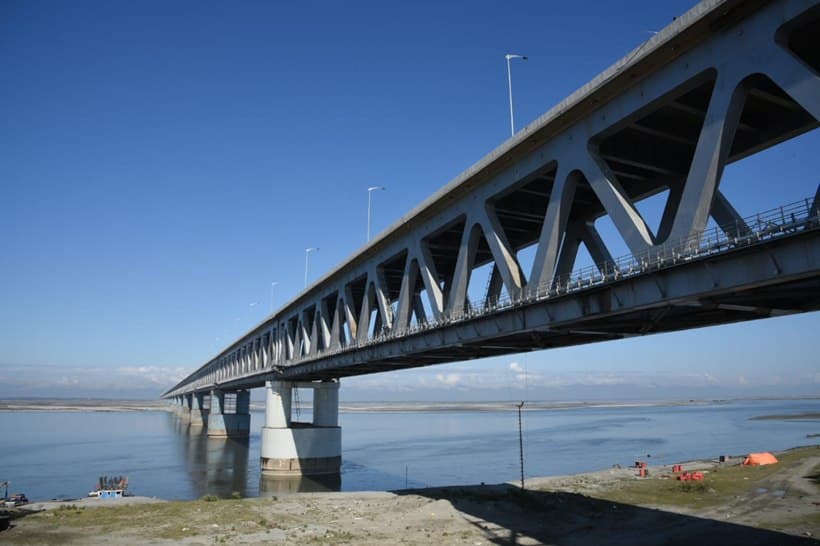
In parallel, NCR has also moved forward with plans for a new railway bridge over the Yamuna River adjacent to the historic existing rail bridge in Prayagraj. The proposed bridge forms part of the railway’s doubling and third-line expansion programme aimed at improving train movement on the heavily congested Delhi–Mumbai and Howrah corridors. Railway officials have prioritised completion of these works before Kumbh 2031.
According to earlier railway assessments, the new bridge project will help increase operational flexibility, reduce bottlenecks, and support smoother train operations during high passenger traffic periods associated with major religious events and long-distance rail travel. Expert teams from IIT Roorkee have also been involved in evaluating structural and engineering aspects to ensure protection of the heritage Yamuna rail bridge during new construction activity.
The latest projects form part of Indian Railways’ wider modernisation and capacity expansion strategy under programmes focused on station redevelopment, network decongestion, passenger amenities, and rail safety upgrades. The government has substantially increased railway infrastructure investment in recent years across station modernisation, line doubling, signalling systems, and high-capacity rail corridors.
Officials believe the infrastructure push in Prayagraj will play a critical role in managing passenger movement efficiently during Kumbh 2031 while also creating long-term benefits for regional connectivity, tourism, and railway operations in Uttar Pradesh.
Industry observers noted that the scale of planning for Kumbh 2031 reflects the growing emphasis on integrated infrastructure development around major religious and cultural events, combining railway modernisation, urban infrastructure upgrades, traffic management, and multimodal transport planning to support large-scale public gatherings.