In a decisive push toward clean mobility, Delhi is set to prohibit the registration of new petrol-powered two-wheelers from April 1, 2028, under its proposed EV Policy 2.0. From FY29 onwards, only electric two-wheelers will be eligible for registration, marking a significant shift in the capital’s transport ecosystem, where two-wheelers currently account for 67.7% of the vehicle fleet.
The policy further mandates that all new three-wheeler registrations must be electric starting January 1, 2027, effectively phasing out fossil fuel-powered autos in the category. These measures are aimed at accelerating the adoption of electric vehicles (EVs) and addressing the city’s persistent air pollution challenges.
A phased electrification roadmap has also been outlined for school transport systems. Institutions will be required to convert at least 10% of their bus fleets to electric within two years of the policy’s notification, increasing to 20% within three years, and reaching a minimum of 30% by March 31, 2030. The education department has been assigned the responsibility of ensuring compliance.
In addition, restrictions will be imposed on cab aggregators and delivery service providers. From January 1, 2026, these operators will be barred from adding new petrol or diesel vehicles in select categories, including small goods carriers and two-wheelers. However, BS-VI compliant petrol two-wheelers will continue to be permitted until December 31, 2026.
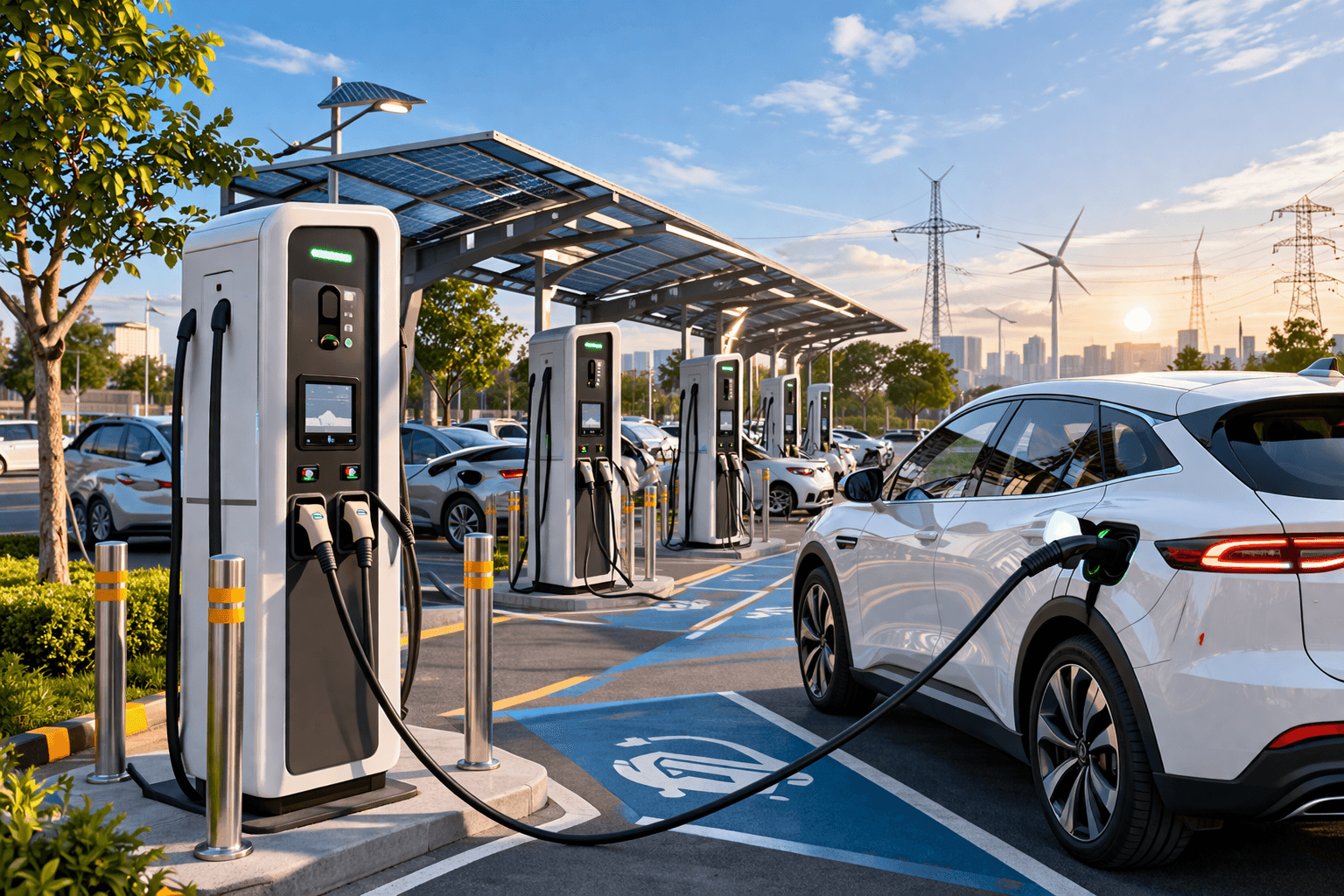
Delhi Transport Minister Pankaj Kumar Singh stated that the policy is designed to make clean mobility more accessible and affordable. He emphasized that tax exemptions, financial incentives, and the expansion of charging infrastructure will play a key role in accelerating EV adoption and establishing a sustainable transport system.
Industry experts have largely welcomed the initiative. Amit Bhatt described the policy as a “strong and decisive move towards clean mobility,” noting that comprehensive electrification targets across vehicle segments and government procurement could substantially improve air quality if implemented effectively.
However, some experts have called for further refinements. Sunil Dahiya suggested that the policy should ensure EV charging is predominantly powered by renewable energy, supported by time-of-day tariffs to prevent shifting emissions to power generation sources. He added that clearly defined electrification timelines for two- and three-wheelers represent meaningful progress toward cleaner air.
Offering a more cautious perspective, Anil Chhikara warned that a complete ban on petrol two-wheelers could create uncertainty among consumers. He advocated for a balanced transition strategy that accommodates both electric and conventional vehicles, highlighting existing limitations in EV adoption.
Chhikara also noted that the policy largely builds upon earlier frameworks, with limited new direction. He underscored that congestion remains a critical challenge for Delhi and called for increased investment in public transport, improved last-mile EV connectivity, and more affordable shared mobility solutions to reduce dependence on private vehicles.