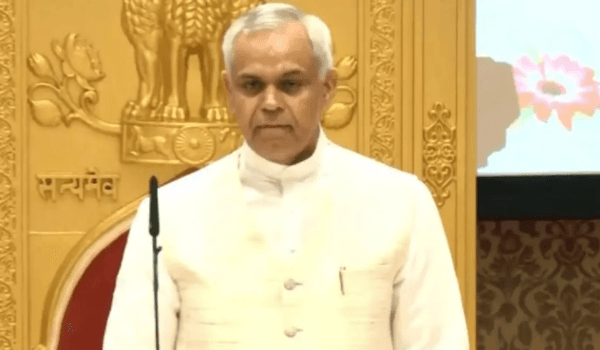
Mumbai: Maharashtra continues to reinforce its status as India’s most attractive foreign investment destination, with Governor Acharya Devvrat outlining an ambitious roadmap to transform the state into a $5-trillion economy by 2047.
Addressing the joint session of the state legislature at the beginning of the Budget Session, the Governor stated that Maharashtra contributes over 13.5% to India’s national GDP and remains a frontrunner in attracting global capital.
Record FDI Inflows and Global Partnerships
According to the Governor, Maharashtra secured ₹1,64,875 crore in foreign direct investment (FDI) during 2024–25, accounting for nearly 39% of India’s total inflows. In the first half of 2025–26 alone, the state attracted ₹91,337 crore.
At the World Economic Forum meeting in Davos in January 2026, Maharashtra signed memorandums of understanding (MoUs) worth approximately ₹30 lakh crore with companies from 18 countries. These agreements are projected to create around 40 lakh employment opportunities across sectors.
To steer long-term economic planning, the government has established a dedicated “Vision Management Unit” tasked with guiding Maharashtra toward its 2047 development milestone.
New Industry Policies and Investment Targets
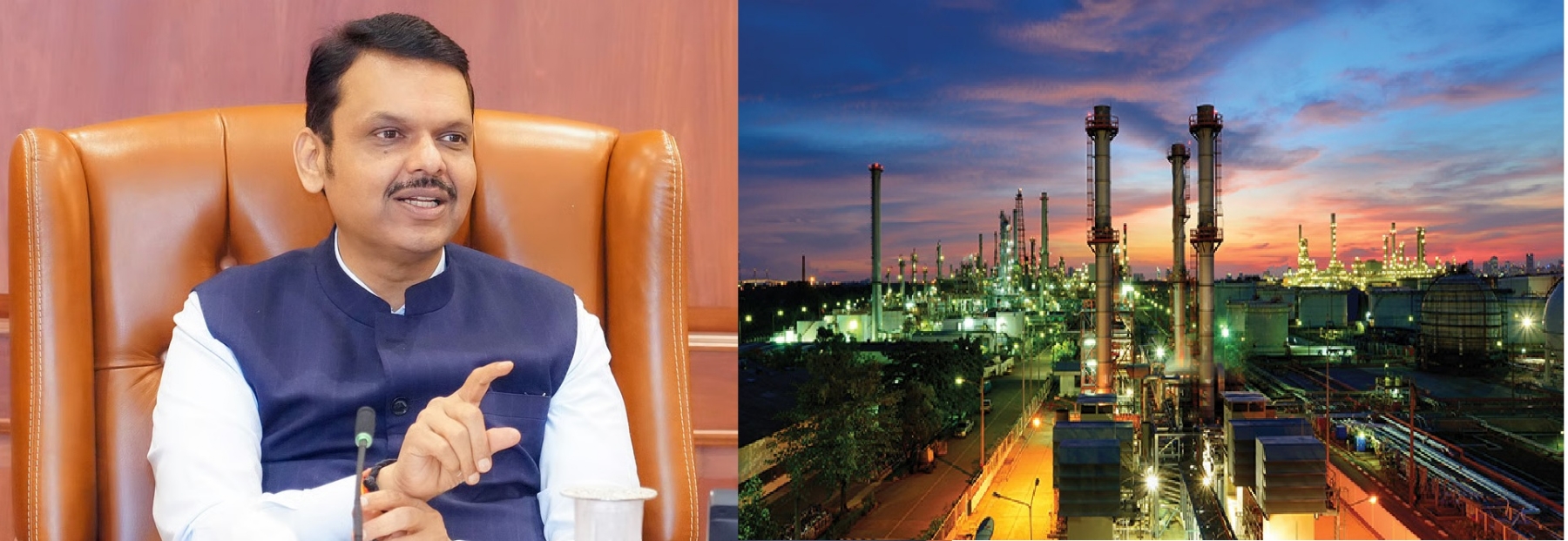
The newly introduced “Maharashtra Industry, Investment and Service Policy 2025” aims to attract ₹70.5 lakh crore in investments and generate 50 lakh jobs.
Sector-specific policies have been rolled out for:
- Bamboo industry
- Gems and jewellery
- AVGC-XR (Animation, Visual Effects, Gaming, Comics, Extended Reality)
- Global Capability Centres
Additionally, the state has launched “Maha-InviT,” an infrastructure investment trust designed to mobilise capital for large-scale development projects.
Major infrastructure announcements include:
- MoUs worth ₹56,000 crore signed during India Maritime Week 2025
- Approval of 147 major road projects spanning 1,100 km
- Extension of the Samruddhi Mahamarg to the proposed Vadhvan Port and eastern Vidarbha
The state has also implemented the “Maharashtra Shipbuilding, Ship-repair and Ship Recycling Policy 2025” to promote maritime industrial growth.
Governance Reforms and Digital Transformation
To enhance Ease of Living and Ease of Doing Business, Maharashtra has begun repealing outdated pre-Independence laws and decriminalising minor regulatory offences.
In line with compliance-reduction reforms, the state introduced the Maharashtra Jan Vishwas (Amendment of Provisions) Rules.
A Comprehensive Digital Transformation Project is underway to integrate government employee records from recruitment to retirement on a unified digital platform.
Agriculture and Farmer Welfare Initiatives
The state rolled out the “Maharashtra Agri-Artificial Intelligence Policy 2025–29” to promote technology-driven agriculture.
Under the Mukhyamantri Baliraja Free Electricity Scheme:
- Over 44 lakh farmers receive free power for pumps up to 7.5 HP
- Relief amount totals ₹25,087 crore
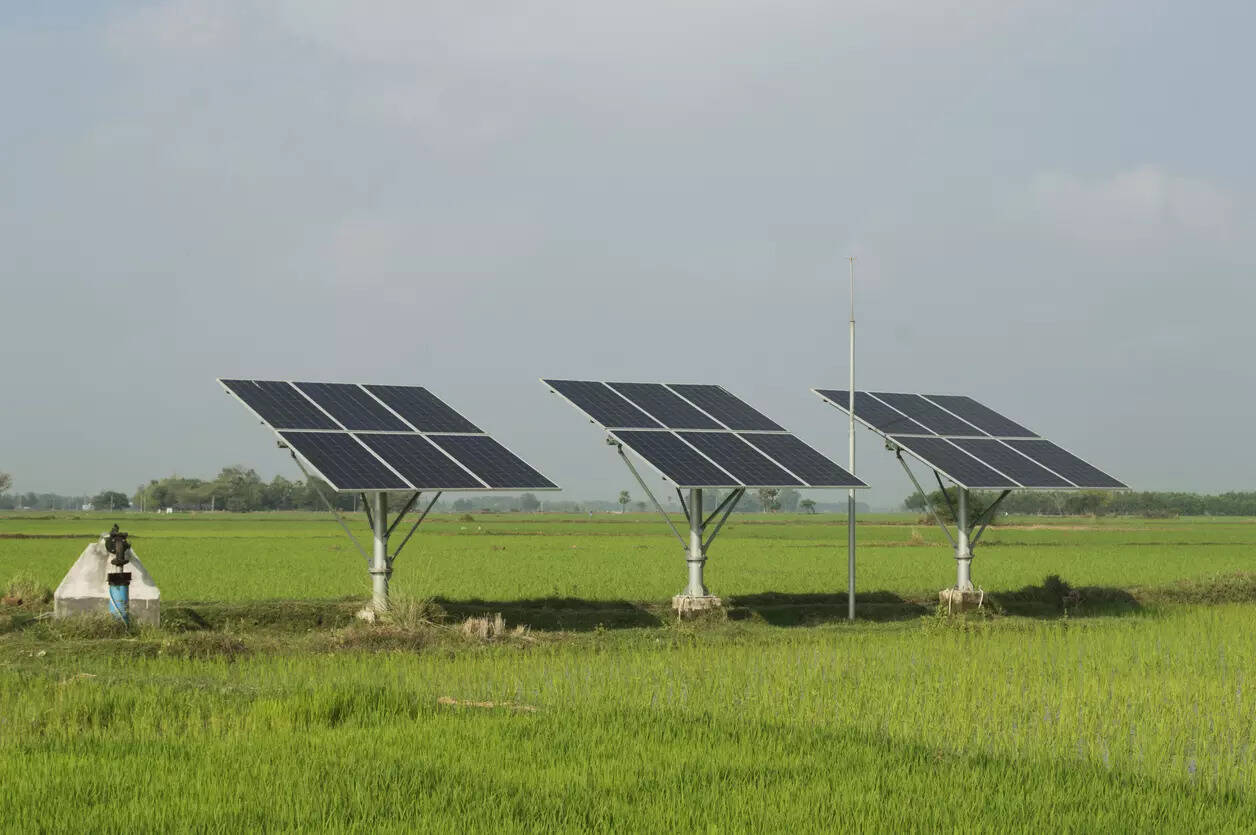
Between October and November 2025, Maharashtra installed 45,911 solar pumps, earning a Guinness World Record.
Currently, 7,786 farmer groups practice natural farming across 3.22 lakh hectares.
Through the Umed mission, 26.19 lakh women have achieved the status of “Lakhpati Didis,” strengthening rural livelihoods. The Rani Durgavati Mahila Sakshaktikaran Yojana focuses on empowering tribal women.
Health, Education and Heritage Development
The state now offers free treatment for nine categories of rare organ transplants costing over ₹5 lakh at authorised hospitals and has introduced a Comprehensive Cancer Care Policy.
To prevent academic disruption, CET exams for vocational courses will be conducted twice annually. Study materials for 154 technical diploma subjects have been translated into Marathi.
Twelve historic forts, including:
- Raigad Fort
- Shivneri Fort
- Pratapgad Fort
have been included in the UNESCO World Heritage list.
A dedicated authority has also been formed to oversee preparations for the 2027–28 Simhastha Kumbh.
Road Ahead to 2047
With a mix of industrial expansion, digital governance, infrastructure modernisation, agricultural reform, and social welfare programs, Maharashtra is positioning itself as a long-term growth engine for India.
The Governor’s address signals a coordinated push toward making Maharashtra not only India’s top FDI hub but also a globally competitive economic powerhouse by 2047.