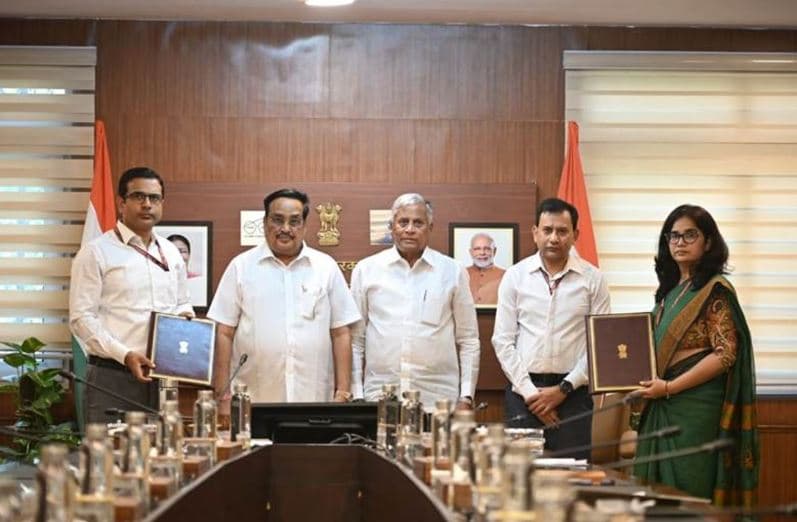
In a significant step toward strengthening rural water infrastructure, the Centre has signed reform-linked Memoranda of Understanding (MoUs) with the states of Karnataka, Uttarakhand, and Tripura under the Jal Jeevan Mission (JJM) 2.0 framework.
The agreements were formalised following the Union Cabinet’s approval of JJM 2.0, to ensure a sustainable and reliable drinking water supply to every rural household through a more accountable and community-driven approach.
The MoUs introduce a Gram Panchayat-led, service-oriented model, placing greater responsibility on local bodies for managing village water systems. This includes operation, maintenance, and even collection of user charges to ensure long-term sustainability of infrastructure.
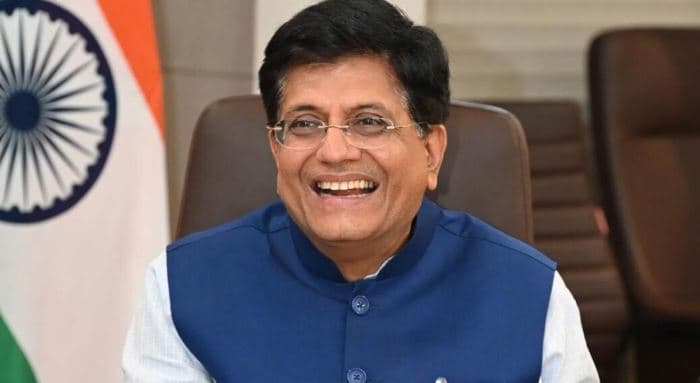
Union Jal Shakti Minister C.R. Patil highlighted that the agreements are designed to strengthen Centre–state coordination, improve water quality management, and ensure efficient upkeep of rural water supply systems.
The framework also emphasises community participation (Jan Bhagidari), structural reforms, and improved governance mechanisms to deliver adequate and safe drinking water regularly.
Chief Ministers of the participating states, including Pushkar Singh Dhami (Uttarakhand), Siddaramaiah (Karnataka), and Manik Saha (Tripura), joined the signing process virtually, reaffirming their commitment to implementing the new guidelines.
Officials noted that the initiative will play a crucial role in enhancing source sustainability, system efficiency, and long-term water security, aligning with the national vision of Viksit Bharat 2047.
With JJM 2.0 expected to roll out from May 2026, the reform-linked framework marks a transition from infrastructure creation to service delivery and sustainability, ensuring that rural water supply systems remain functional and reliable over time.
The move signals a shift toward decentralised water governance, where local institutions play a central role in maintaining and managing rural drinking water systems, supported by coordinated efforts between the Centre and states.